
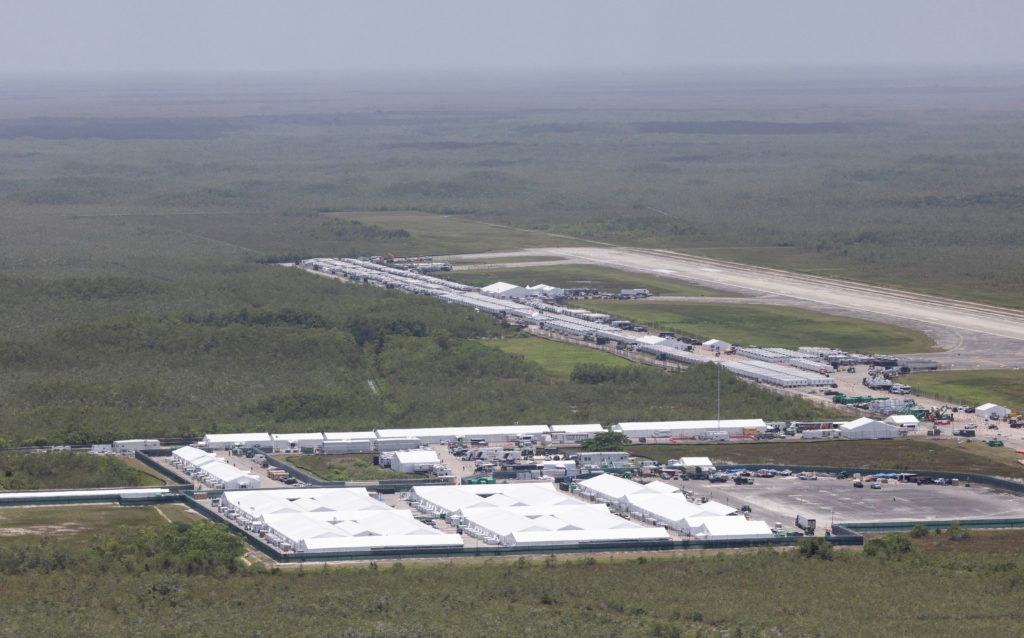
The phrase “alligator alcatraz” might evoke vivid imagery of powerful reptiles roaming a notorious prison island. While this combination might sound unusual, it opens the door to exploring themes of nature, captivity, survival, and human fascination with wildlife. From the wild ecosystems that house alligators to the historical significance of Alcatraz Island, this article dives into the unique worlds that come together under this intriguing term.
Understanding the Alligator: Nature’s Living Dinosaur
Alligators are among the most ancient reptiles on Earth, tracing back over 37 million years. Known for their robust bodies, powerful jaws, and scaly armor, alligators have become symbols of survival and resilience. These reptiles inhabit freshwater environments such as swamps, marshes, and rivers, primarily in the southeastern United States, with Florida and Louisiana being their primary strongholds.
Their behavioral patterns are equally fascinating. Alligators are ambush predators, lying in wait beneath the water’s surface for unsuspecting prey. Despite their fearsome reputation, they play a crucial role in maintaining the balance of their ecosystems. By controlling fish populations and creating water holes used by other wildlife, alligators are essential engineers of their habitats.
Alcatraz Island: The Prison with a Dark History
Alcatraz Island, located in San Francisco Bay, is one of the most famous prisons in the world. Often referred to as “The Rock,” Alcatraz housed some of the most notorious criminals in American history, including Al Capone and George “Machine Gun” Kelly. Operating from 1934 to 1963 as a federal penitentiary, Alcatraz became notorious for its harsh conditions, strict regulations, and the impossibility of escape due to its isolated location surrounded by cold, strong currents.
The prison’s legacy extends beyond crime. Today, Alcatraz Island serves as a historic site and tourist attraction, drawing visitors eager to learn about its history and imagine the lives of those who were confined there. The desolate terrain, coupled with the surrounding waters, makes it a haunting yet fascinating place to explore.
The Imaginary World of Alligator Alcatraz
While there is no evidence of actual alligators inhabiting Alcatraz Island, the term alligator alcatraz sparks the imagination. Picture a scenario where these prehistoric reptiles roam the rocky, abandoned prison grounds. The juxtaposition of wild predators within a symbol of human confinement creates a thrilling narrative that explores themes of power, freedom, and survival.
This concept can be used in literature, games, or art to symbolize the untamable forces of nature confronting human constructs. The alligator, a creature of instinct and raw strength, contrasts sharply with the rigid walls and calculated order of Alcatraz, highlighting the delicate balance between order and chaos.
Alligator Alcatraz in Popular Culture
Though primarily an imaginative concept, the “alligator alcatraz” idea resonates with audiences interested in speculative fiction and adventure narratives. Writers and filmmakers often explore scenarios where wildlife intersects with human spaces in unexpected ways. For example, stories of animals overtaking abandoned urban or historical sites provide thrilling narratives that explore both human hubris and the adaptability of nature.
Similarly, video games and comics frequently employ scenarios reminiscent of “alligator alcatraz”, where players navigate dangerous environments dominated by wildlife or mutated creatures. These fictional settings captivate audiences by combining fear, awe, and curiosity, making the phrase an evocative source of inspiration.
The Symbolism of Alligator Alcatraz
Beyond the literal imagery, “alligator alcatraz” carries rich symbolic meaning. Alligators often symbolize patience, primal instincts, and survival against adversity. Alcatraz, on the other hand, represents restriction, isolation, and the consequences of human actions. When combined, the two elements create a metaphor for the struggle between instincts and imposed limitations, or freedom versus confinement.
This symbolism can be applied in various fields such as psychology, literature, and education. It can serve as a tool for discussing resilience, strategy, and the human tendency to underestimate the power of nature. In essence, the alligator becomes a metaphor for untamed potential that cannot be contained, while Alcatraz stands as a reminder of human attempts to impose control over an uncontrollable world.
Alligator Conservation and Education
While “alligator alcatraz” may spark imagination, real alligators face challenges in the wild. Conservation efforts have played a crucial role in protecting alligator populations in the United States. Once endangered due to hunting and habitat loss, alligators are now thriving in many areas thanks to strict regulations, wildlife preserves, and public awareness programs.
Educational programs often use alligators to teach students about predator-prey dynamics, ecosystems, and environmental stewardship. By studying these remarkable creatures, humans can gain insight into evolution, behavior, and the importance of biodiversity. In this context, the concept of “alligator alcatraz” could even be used to teach lessons about adaptation, survival, and the consequences of human interference with natural habitats.
Alcatraz as a Wildlife Sanctuary
Interestingly, Alcatraz Island today is more than just a historical monument—it also serves as a habitat for various bird species and marine life. While not home to alligators, the island’s rocky environment and isolation make it a safe refuge for animals that thrive in minimal human disturbance. Seabirds, harbor seals, and other marine species have made Alcatraz their home, showcasing how life can adapt even in places once dominated by human confinement.
This modern use of Alcatraz highlights the contrast and eventual harmony between human history and nature. The island has transformed from a place of punishment to one of education and ecological significance, aligning indirectly with the imaginative concept of “alligator alcatraz” as a space where nature asserts itself.
Lessons from Alligator Alcatraz
The notion of “alligator alcatraz” encourages reflection on several important lessons:
-
Resilience in Adversity: Both alligators and the history of Alcatraz exemplify survival under challenging conditions. Alligators have persisted for millions of years, while Alcatraz symbolizes endurance in the face of strict confinement.
-
The Power of Nature: Even in highly controlled human environments, nature eventually finds a way to reclaim space. This lesson is evident in abandoned urban sites, wildlife sanctuaries, and ecological restoration projects.
-
Imagination and Creativity: Combining seemingly unrelated concepts like alligators and Alcatraz inspires creativity, showing how storytelling, art, and education can merge to create compelling narratives.
-
Conservation Awareness: Alligators remind us of the importance of protecting wildlife and natural habitats, while Alcatraz’s evolution from prison to sanctuary illustrates how human spaces can also contribute to ecological preservation.
Alligator Alcatraz: A Metaphor for Modern Challenges
In today’s rapidly changing world, the metaphorical “alligator alcatraz” can be applied to social, environmental, and personal challenges. It represents situations where one faces confinement, obstacles, or restrictions yet must navigate unpredictable threats or opportunities. Much like an alligator adapting to its environment, individuals and communities can learn to survive, thrive, and transform even in difficult circumstances.
This metaphor extends to urban planning, business strategy, and personal growth, illustrating the importance of adaptability, resilience, and strategic thinking. By examining how nature overcomes obstacles, humans can draw inspiration for their own complex challenges.
Alligator Myths and Legends
Alligators have long captured human imagination, inspiring myths, folklore, and legends across cultures. From Native American tales describing them as powerful water spirits to modern stories portraying them as guardians of swamps, alligators represent both danger and wisdom.
When combined with the imagery of Alcatraz, the “alligator alcatraz” concept transforms into a modern myth. Imagine tales of prisoners attempting to escape the island only to face prehistoric predators lurking in hidden corners. While purely fictional, such stories reflect human fascination with survival, fear, and the unknown.
These legends also underscore how humans interpret nature through narrative. By imagining alligators on Alcatraz, we explore our relationship with wildlife, isolation, and risk—showcasing how storytelling bridges fact and fantasy.
Famous Escapes and the Alligator Alcatraz Fantasy
Alcatraz was infamous for its high-security measures and the impossibility of escape. Despite this, numerous escape attempts occurred, the most famous being the 1962 breakout by Frank Morris and the Anglin brothers. Their daring escape inspired books, films, and endless speculation about survival in San Francisco Bay’s treacherous waters.
By introducing alligators into this narrative—creating the fictional “alligator alcatraz” scenario—the stakes become even higher. Escape attempts in such a story would require characters to navigate not only the icy waters but also dangerous, lurking predators, symbolizing the ultimate test of ingenuity, courage, and adaptability.
This combination of real history and imaginative danger creates a compelling backdrop for thrillers, survival stories, and speculative fiction. It allows authors and creators to explore fear, strategy, and human versus nature dynamics in a unique setting.
Survival Strategies: Lessons from Alligators
Alligators have perfected the art of survival over millions of years. Their hunting techniques, territorial instincts, and adaptability to changing environments offer valuable lessons for human strategy and problem-solving.
In a metaphorical sense, the “alligator alcatraz” scenario serves as a lesson in survival:
-
Patience is Key: Alligators wait for the perfect moment to strike, teaching the importance of timing in decision-making.
-
Adaptability: They can thrive in diverse environments, reminding us that flexibility is crucial in challenging circumstances.
-
Resource Management: Alligators use their environment efficiently, a lesson in leveraging available resources for optimal outcomes.
-
Resilience: Despite being targeted by hunters and facing habitat destruction, they continue to thrive, highlighting perseverance in adversity.
Incorporating these lessons into human life, business, or personal development gives new depth to the “alligator alcatraz” concept, transforming it from a mere imaginative idea to a powerful teaching metaphor.
The Cultural and Creative Impact of Alligator Alcatraz
Artists, writers, and filmmakers have long explored the collision between nature and human constructs. The concept of “alligator alcatraz” embodies this clash, offering fertile ground for storytelling and creativity. In visual art, an alligator prowling the abandoned corridors of Alcatraz could evoke fear, awe, and reflection on humanity’s place in the natural order.
In literature, this concept can explore psychological depth, ethical dilemmas, and the boundaries between civilization and wilderness. For example, a novel could follow a character navigating a deserted island overrun by alligators, blending historical intrigue with thrilling survival scenarios. This fusion of reality and imagination highlights how powerful ideas can emerge from seemingly improbable combinations.
Alligator Alcatraz in Modern Media
The phrase “alligator alcatraz” could easily find its way into modern media, from animated films to video games. The dramatic tension of a dangerous predator in a confined, historically rich environment offers endless narrative possibilities. Game designers could create immersive experiences where players navigate hazards reminiscent of alligator habitats while exploring Alcatraz’s labyrinthine corridors.
Similarly, documentaries or educational programs could use this concept to introduce viewers to alligator behavior, historical sites, and the interplay between humans and nature. By blending entertainment with learning, the “alligator alcatraz” theme can resonate across multiple audiences and age groups.
Conclusion
The phrase “alligator alcatraz” may initially seem like a quirky or fantastical idea, but it embodies much more than its literal meaning. It bridges the gap between the primal instincts of one of Earth’s oldest reptiles and the historic human struggle represented by Alcatraz Island. From symbolism and imagination to conservation and education, this unique concept offers insights into resilience, adaptability, and the enduring power of nature.
Whether inspiring works of fiction, serving as a metaphor for life’s challenges, or encouraging ecological awareness, “alligator alcatraz” captures the imagination in ways few other combinations can. Its blend of danger, history, and curiosity reminds us that both nature and human ingenuity have a profound impact on the world, often in ways that are unpredictable, fascinating, and unforgettable.
You May Also Read Here: Caitlin Clark net worth


